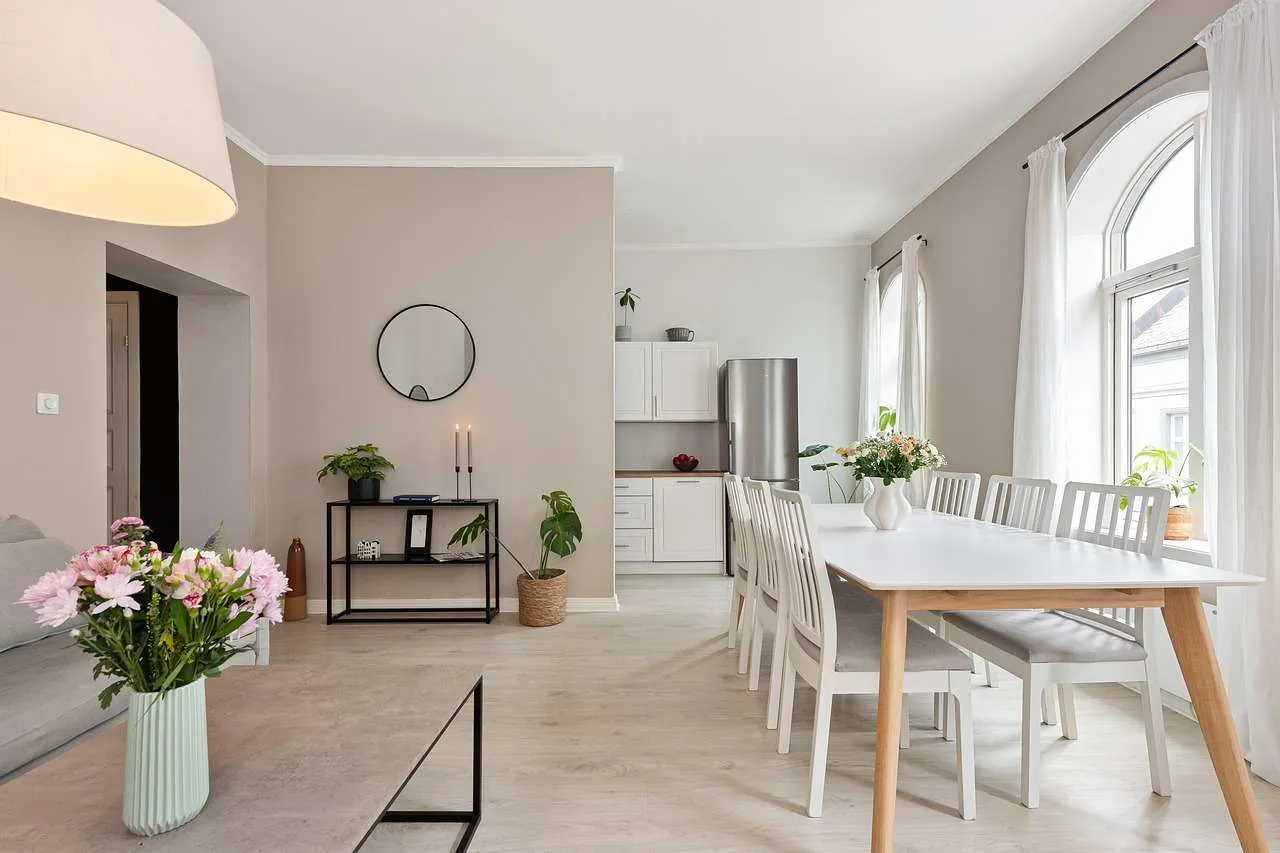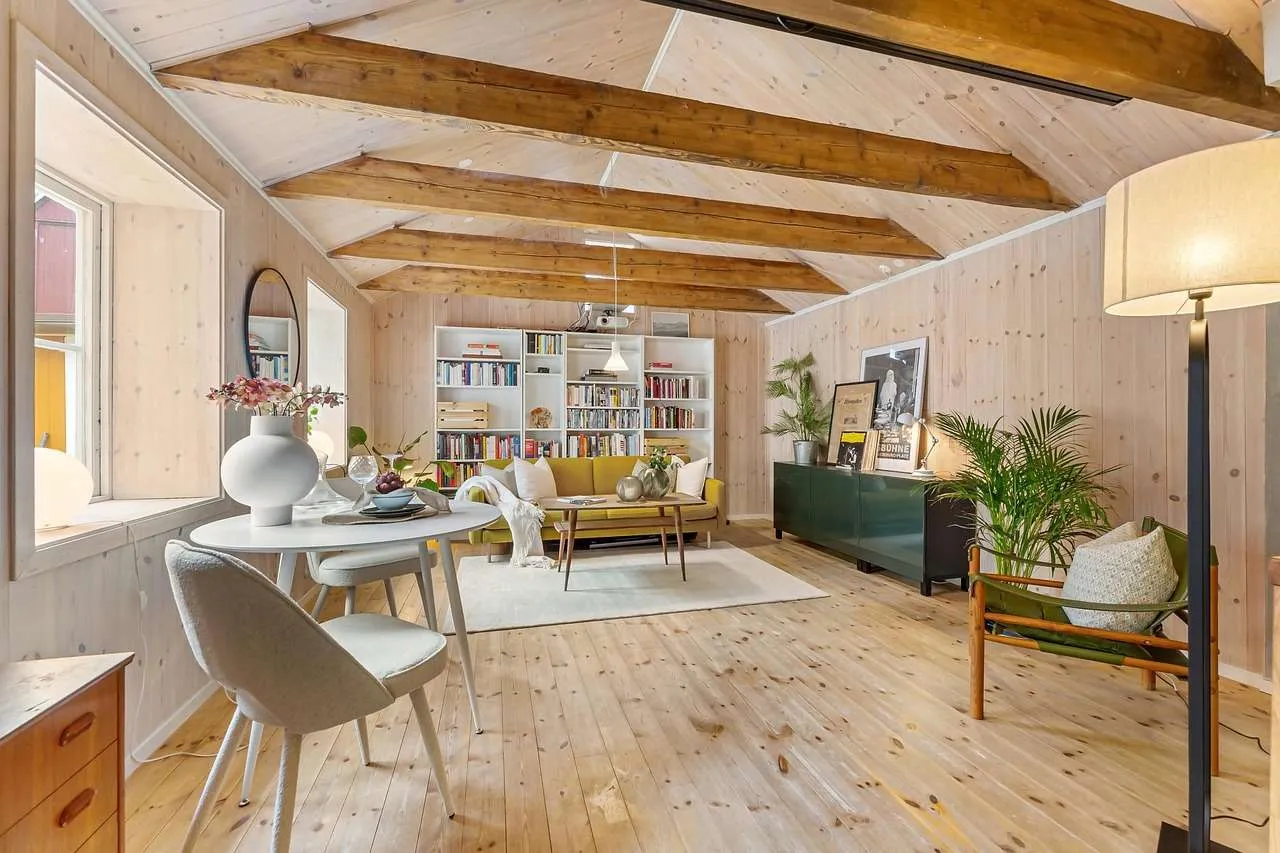
Overview: What is home window tinting?
Home window tinting involves applying a thin film to interior or exterior glass surfaces. The film can block solar heat, reduce UV exposure, limit glare, and improve privacy. Modern films come in a range of shades, finishes, and performance levels, enabling homeowners to customize comfort, energy use, and aesthetics. Professional installation ensures proper adhesion, longevity, and warranty protection.
Benefits of home window tinting
- Energy savings: Heat rejection reduces the load on air conditioning, potentially lowering cooling costs in hot climates.
- UV protection: Most films block up to 99% of harmful ultraviolet rays, helping prevent fading of furniture and flooring.
- Glare reduction: Lower glare makes screens easier to view and improves overall comfort in sunny rooms.
- Privacy and safety: Tinted films offer daytime privacy and can hold shattered glass together in case of impact.
- Appearance and value: A uniform tint can enhance curb appeal and may increase perceived home value when chosen thoughtfully.
Types of window tint
Choosing the right film depends on goals, climate, and appearance. Here are common options and what they deliver:
Dyed film
Dyed films are affordable and effective at reducing glare and adding color depth. They absorb heat rather than reflect it. Pros include lower upfront cost; cons include potential color fading over time and moderate durability.
Metalized film
Metalized or metallic films reflect a portion of solar energy and can enhance shatter resistance. They may interfere with electronics like GPS or cell signals in some cases, and can show a metallic look at certain angles.
Carbon film
Carbon films offer good heat rejection without adding a visible metallic sheen. They provide strong privacy and maintain clearer visibility in daylight; color stability is a notable advantage.
Ceramic film
Ceramic films use nonconductive nanoparticles to provide high heat rejection, excellent UV protection, and minimal signal interference. They’re more expensive but deliver superior performance and a neutral appearance.
Nano-ceramic film
Nano-ceramic is a premium option with outstanding heat rejection, UV protection, and clarity. These films resist fading and offer long-lasting color stability and low reflectivity.
How to choose the right tint
Start by defining your goals: heat reduction, UV protection, privacy, or a particular aesthetic. Consider:
- Visible light transmission (VLT): Higher VLT values let more light in; lower values darken spaces. Balance daylight needs with privacy goals.
- UV rejection: Aim for films that block 99% or more of UV rays to protect furnishings and health.
- Glare control: If you work on screens or watch TV, choose a film with strong glare reduction.
- Regulations: Local tint laws vary. Check your state or country’s rules on front-side window darkness.
- Installation: Professional installation ensures even coverage, proper edge sealing, and warranty validity.
Installation options and cost considerations
You have two main options: professional installation or DIY kits. Professional installers typically offer better warranty, color uniformity, and longer adhesion life, though at a higher upfront cost. DIY kits can be tempting for small projects, but improper application can cause bubbles, peeling, or reduced durability.
Typical installed costs vary by film type and window size. A reasonable range is roughly $5 to $15 per square foot, with carbon, ceramic, and nano-ceramic films skewing higher due to performance and durability. Expect warranties from 5 to 15 years, often covering fading, bubbling, or adhesive failure.
Maintenance and care
To maximize longevity, follow manufacturer care instructions. Generally, avoid abrasive cleaners, ammonia-based solutions, and rough scrubbing near the film’s edge. Use a soft cloth and a mild soapy solution for cleaning, and wipe horizontally to avoid streaks. Some films require care within the first 1–2 weeks after installation to cure the adhesive.
Comparison table: Tint types at a glance
| Type | VLT range | UV Rejection | Glare Reduction | Privacy | Durability | Typical installed cost |
|---|---|---|---|---|---|---|
| Dyed | 20-60% | High | Moderate | Low-Medium | Moderate | $5-6 per ft² |
| Metalized | 25-60% | High | High | Medium | High | $6-8 per ft² |
| Carbon | 35-60% | High | Medium | Medium | High | $7-10 per ft² |
| Ceramic | 40-80% | Very High | Low-Medium | Medium-High | Very High | $10-15 per ft² |
| Nano-Ceramic | 40-60% | Very High | Low | High | Very High | $12-18 per ft² |
Frequently asked questions
- Will window tinting ruin my warranty?
- Most manufacturers require professional installation and specific film types to maintain warranty coverage. Check with the installer and window manufacturer.
- Can tinting block heat without darkening rooms?
- Yes, high-quality films can reduce heat and UV while preserving natural light, especially ceramic and nano-ceramic options.
- Is tinting legal for all windows?
- Regulations vary by jurisdiction. Front side windows often have stricter rules than rear or non-driving-side windows. Always verify local requirements before installation.
Conclusion, home window tinting is a versatile upgrade that can improve comfort, protect interiors, and enhance privacy when you choose the right film, hire a licensed installer, and follow maintenance guidelines. By understanding the options, costs, and legal considerations, you can make a decision that aligns with your climate, lifestyle, and budget.