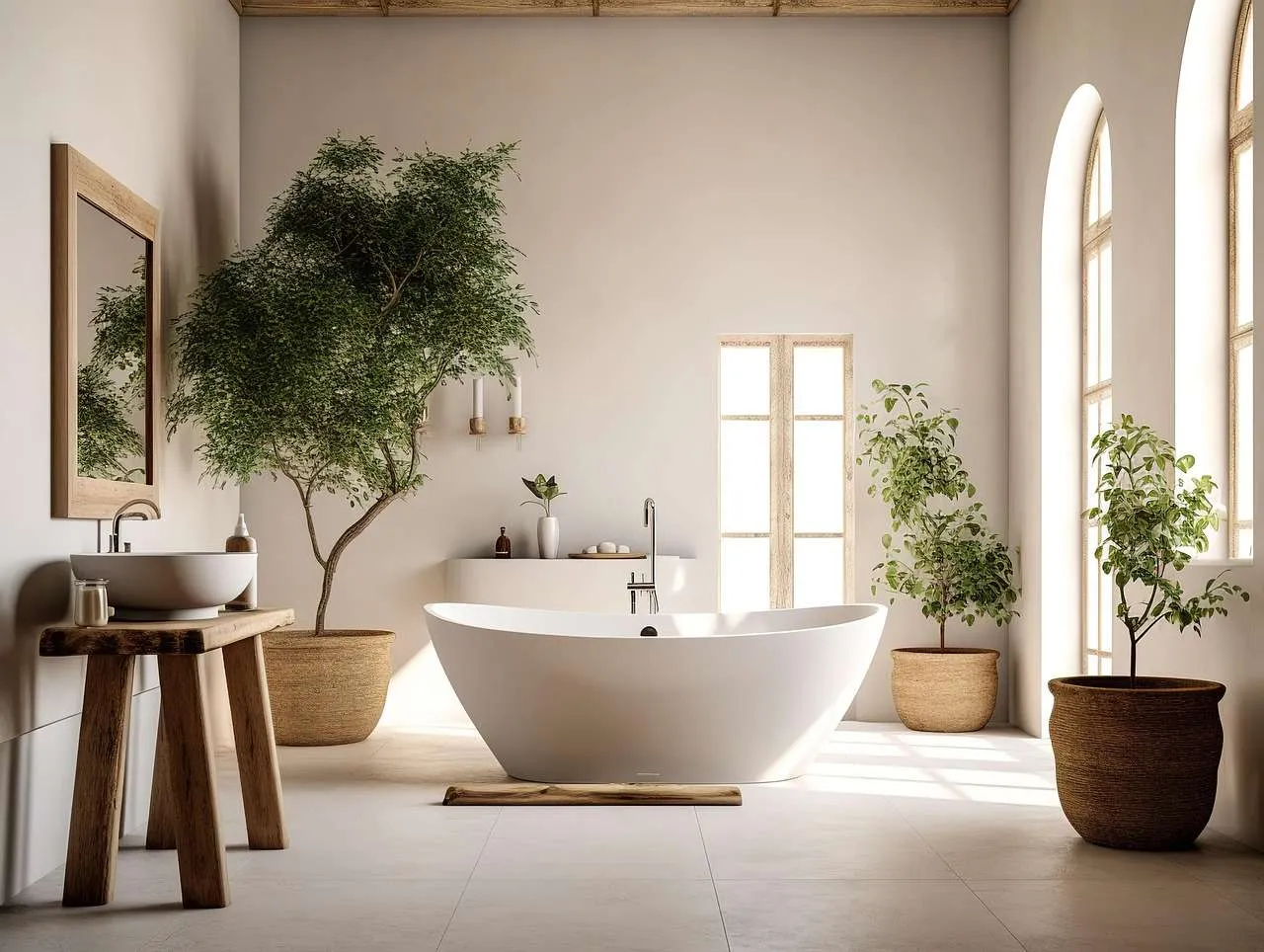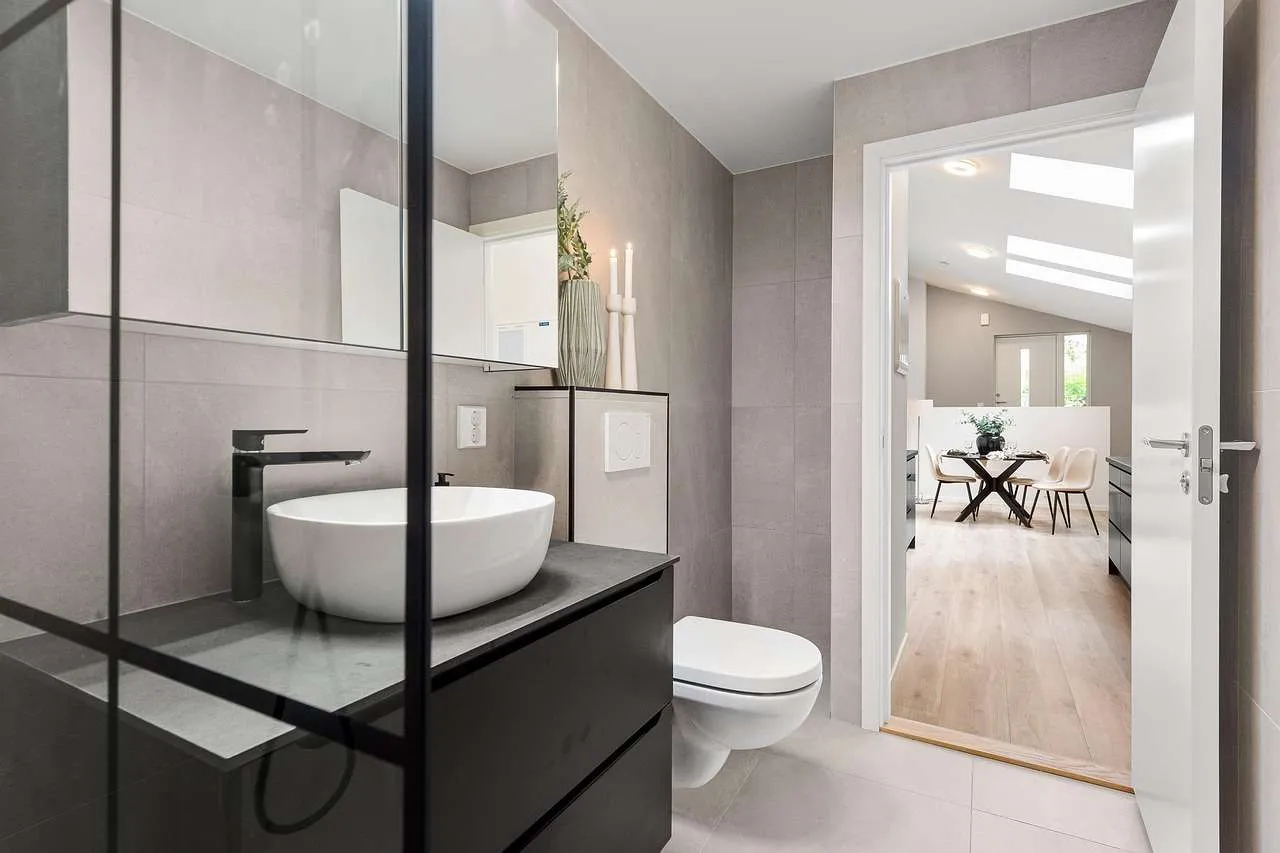
Renovating a bathroom is one of the most impactful ways to enhance daily routines and the overall feel of your home. This guide provides expert-backed bathroom decor ideas designed to boost style, function, and lasting value. By balancing color, lighting, storage, and durable materials, you can create a space that feels calm, luxurious, and easy to maintain.
Color and Lighting Essentials
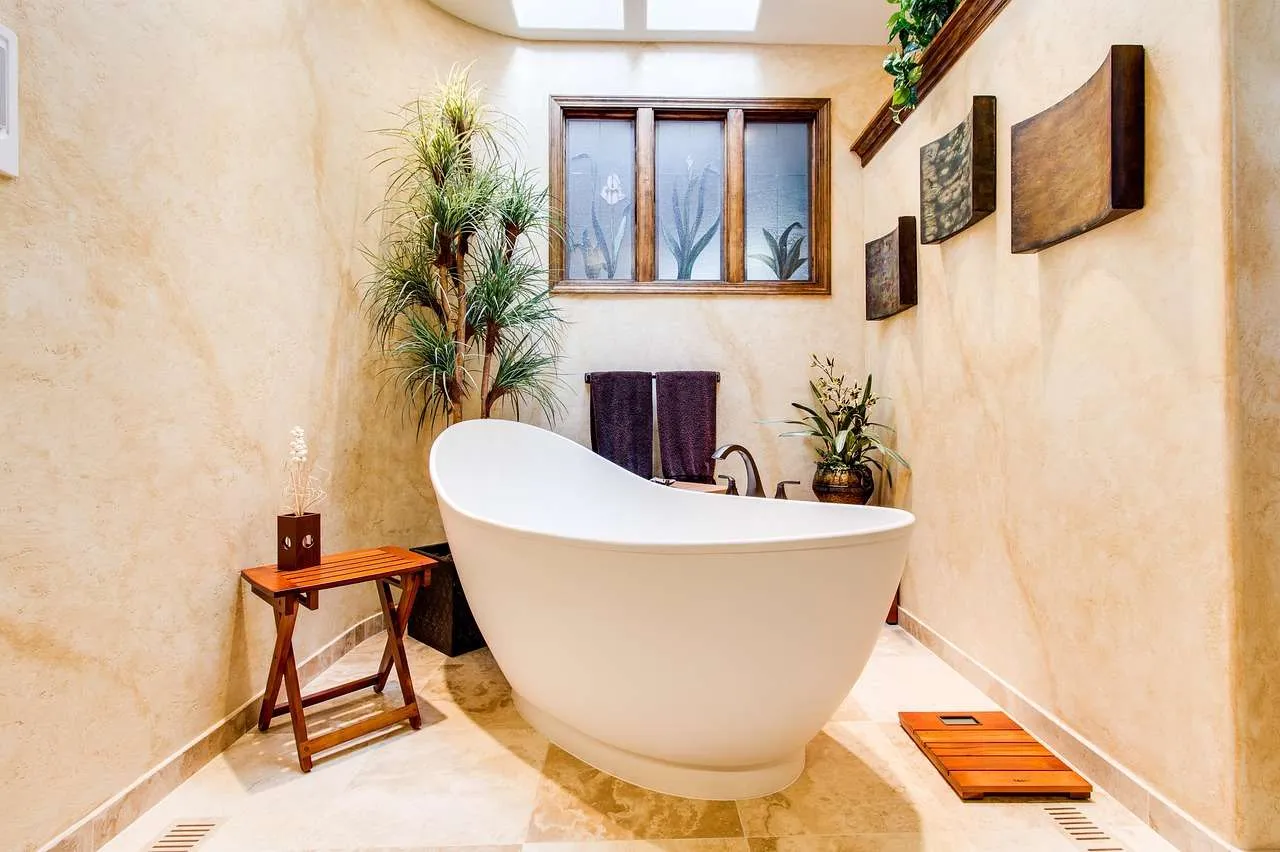
Color sets the mood, while lighting shapes how you perceive scale and texture. In bathrooms, moisture-resistant paints in warm neutrals or soft tiles create a serene base. Accent colors—think powder-blue towels or forest-green accessories—add personality without overpowering the space.
Choosing color schemes
Opt for a cohesive palette that reflects the room’s size and natural light. Lighter shades brighten small baths and pair well with glossy fixtures, while deeper hues work as feature walls or vanity accents in larger spaces. Consider undertones (cool vs. warm) and how countertop materials will pair with wall color to avoid jarring contrasts.
Lighting layers
Layer lighting into three zones: ambient for general visibility, task lighting at mirrors for grooming, and accent lighting to highlight architectural features or textures. Choose color temperatures between 2700K and 3500K for a welcoming, spa-like atmosphere. Dimmable lights and moisture-rated fixtures improve usability and energy efficiency.
Storage, Surfaces, and Vanities
Efficient storage keeps surfaces clean and clutter-free, amplifying the perceived space. Durable surfaces resist humidity and daily wear, while clever vanity choices can transform workflow in a compact bathroom.
Vanity ideas
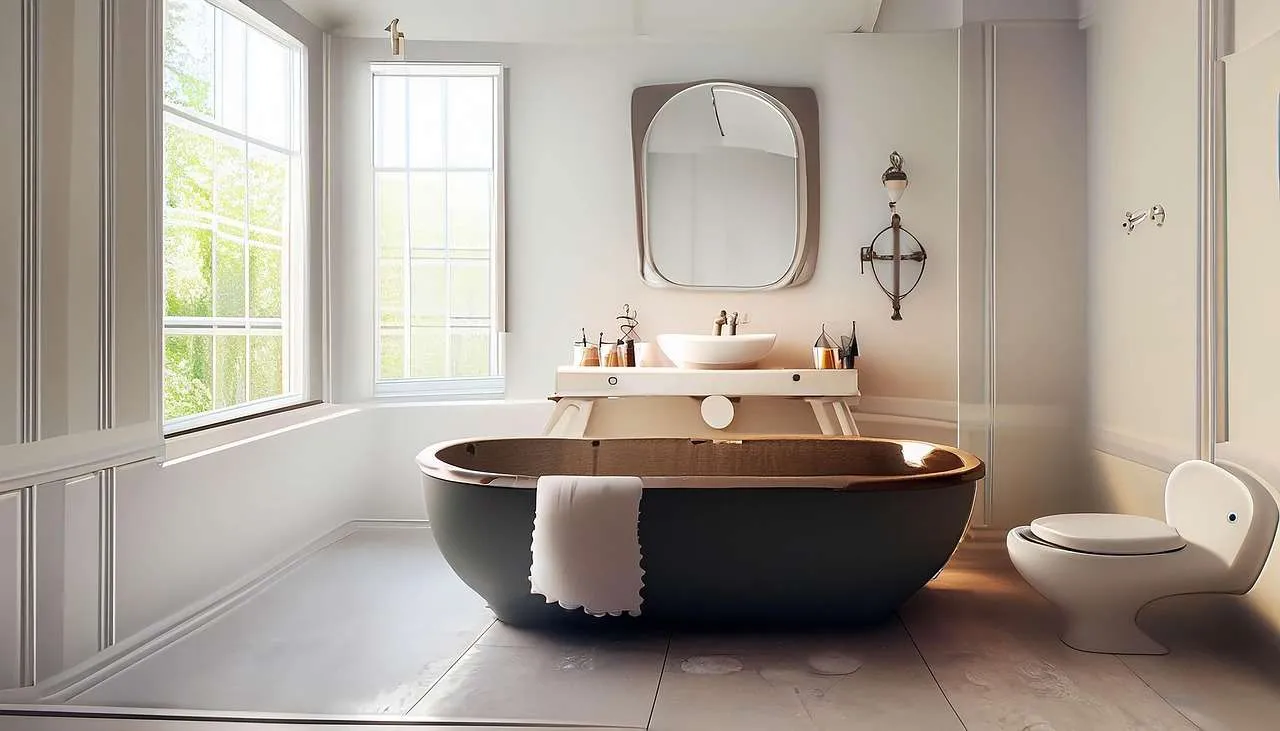
Consider a floating vanity to create the illusion of more floor space, or a compact wall-mounted unit with integrated organizers. Choose soft-close drawers and phenolic plywood or enamel coatings for durability in wet environments.
Open shelving and hidden storage
Open shelves offer easy access to towels and decor but should be kept tidy and balanced with closed storage. Wall-mounted baskets, labeled containers, and recess niches in the shower provide tidy solutions without bulk.
Water-resistant materials
Prioritize moisture-resistant countertops (like quartz or solid-surface) and porcelain or ceramic tiles that handle humidity with minimal maintenance. For flooring, choose products with non-slip textures and low water absorption to extend longevity.
Fixtures, Finishes, and Mirrors
The right fixtures and mirrors can dramatically alter perception and usability. Matte finishes reduce glare and fingerprints, while chrome or brushed nickel complements a wide range of color schemes.
Mixing finishes
Don’t be afraid to mix finishes—matte faucets with polished handles can create visual interest when balanced by the rest of the hardware. Aim for a maximum of two to three metal tones in a single bathroom to maintain harmony.
Statement mirrors and glass
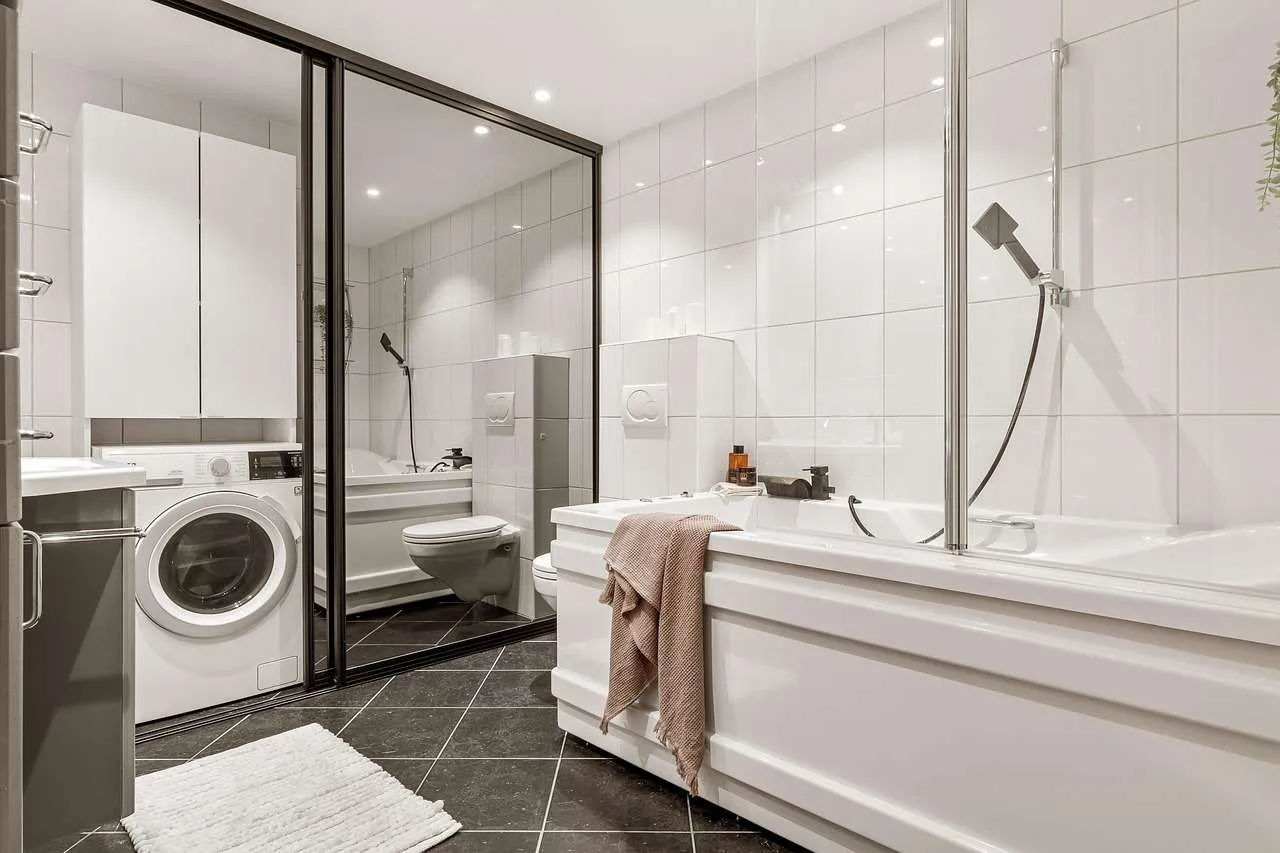
A large, frameless mirror or a pair of stylish framed mirrors can visually expand a small bathroom. For showers, clear or lightly frosted glass doors enhance openness and simplify cleaning; consider anti-fog options for convenience.
Trends, Materials, and Budget Considerations
Current trends favor sustainable materials, biophilic accents, and practical textures. Reclaimed wood accents, large-format tiles, and drought-tolerant greenery bring warmth without sacrificing practicality. When budgets are a concern, prioritize items that define the space (vanity, lighting, shower) and choose cost-effective finishes elsewhere.
Budget strategies
Plan in stages, starting with essential updates (plumbing fixtures, lighting, paint) and then upgrading surfaces as needed. Look for high-quality yet affordable materials that mimic premium looks—porcelain tiles, quartz countertops, and durable laminates offer long-term value.
Maintenance, Durability, and Longevity
Durability is a core consideration in bathroom decor ideas. Choose moisture-resistant materials, seal grouts properly, and employ ventilation to minimize mold growth. Regular cleaning with non-abrasive cleaners preserves finishes and sheen, and resealing stone or grout on a routine cycle prevents staining and damage.
Material Options at a Glance
| Material | Pros | Cons | Typical Cost | Best For |
|---|---|---|---|---|
| Ceramic Tile | Affordable, durable | Grout upkeep | Low | Walls, floors |
| Porcelain Tile | Very durable, low water absorption | Installation can be tricky | Medium | Floors, showers |
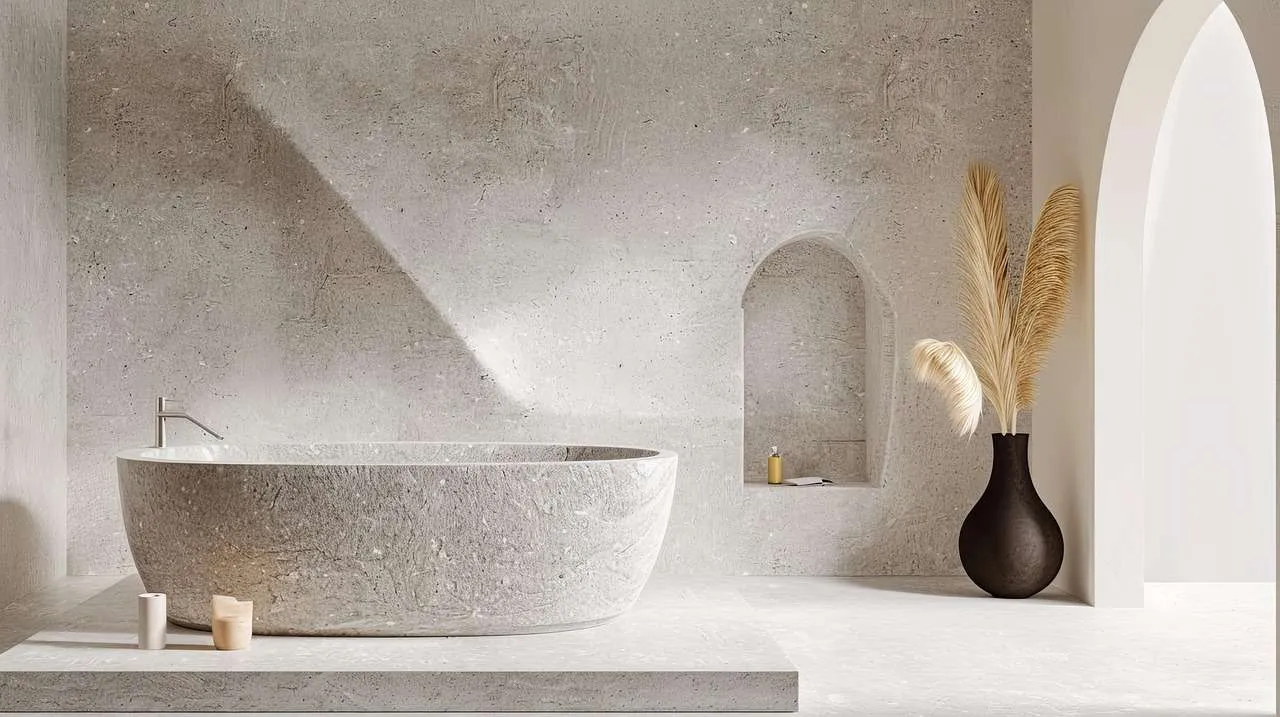
| Natural Stone | Elegant, unique | Porous, needs sealing | High | Accent walls, vanity backs |
| Glass Shower Doors | Feels open, easy cleaning | Shows water spots | Medium | Shower enclosures |
| Vinyl/Composite Flooring | Waterproof, budget | Less premium look | Low | Budget bathrooms |
These options help you compare performance, maintenance, and cost to align with your design goals and practical needs.
Expert Insights and Trustworthy Design
In crafting bathroom decor ideas, I draw on established interior design principles, moisture management best practices, and usability considerations proven by designers and remodelers. Start with a clear plan, measure for flow, and verify warranties and product certifications. When in doubt, consult a licensed designer or contractor to ensure safety, code compliance, and durable finishes that maintain value over time.
Conclusion
Conclusion, a thoughtful combination of color, layered lighting, smart storage, durable materials, and balanced fixtures yields bathroom decor ideas that are stylish, functional, and enduring. Prioritize three areas—space perception (color and mirrors), daily workflows (storage and vanities), and long-term durability (tile, sealants, and ventilation)—and you’ll create a bathroom that remains fresh for years to come.