Choosing bathroom tiles is more than selecting a pretty pattern. The right tiles shape the space, influence mood, and affect long term maintenance. This guide blends practical design ideas with expert tips to help homeowners, contractors, and designers choose bathroom tiles that balance style, durability, and value. From material basics to layout techniques and care routines, you will gain a clear path to a tile solution that lasts.
Understanding bathroom tiles: materials and finishes
Bathroom tiles come in a range of materials, each with its own look, performance, and care needs. The most common categories are ceramic, porcelain, natural stone, and glass. Within each category you will find a variety of finishes such as matte, gloss, and textured surfaces. For wet areas, the key is selecting tiles that resist water, staining, and slipping while staying easy to clean.
Ceramic bathroom tiles
Ceramic tiles are versatile and affordable, ideal for shower surrounds, backsplashes, and wall installations. They are usually glazed for color and stain resistance. A wide range of colors and patterns makes ceramic a go to for budget friendly projects. While they are durable, ceramic tiles are more susceptible to chipping in high traffic areas if used on floors in heavy use bathrooms.
Porcelain tiles
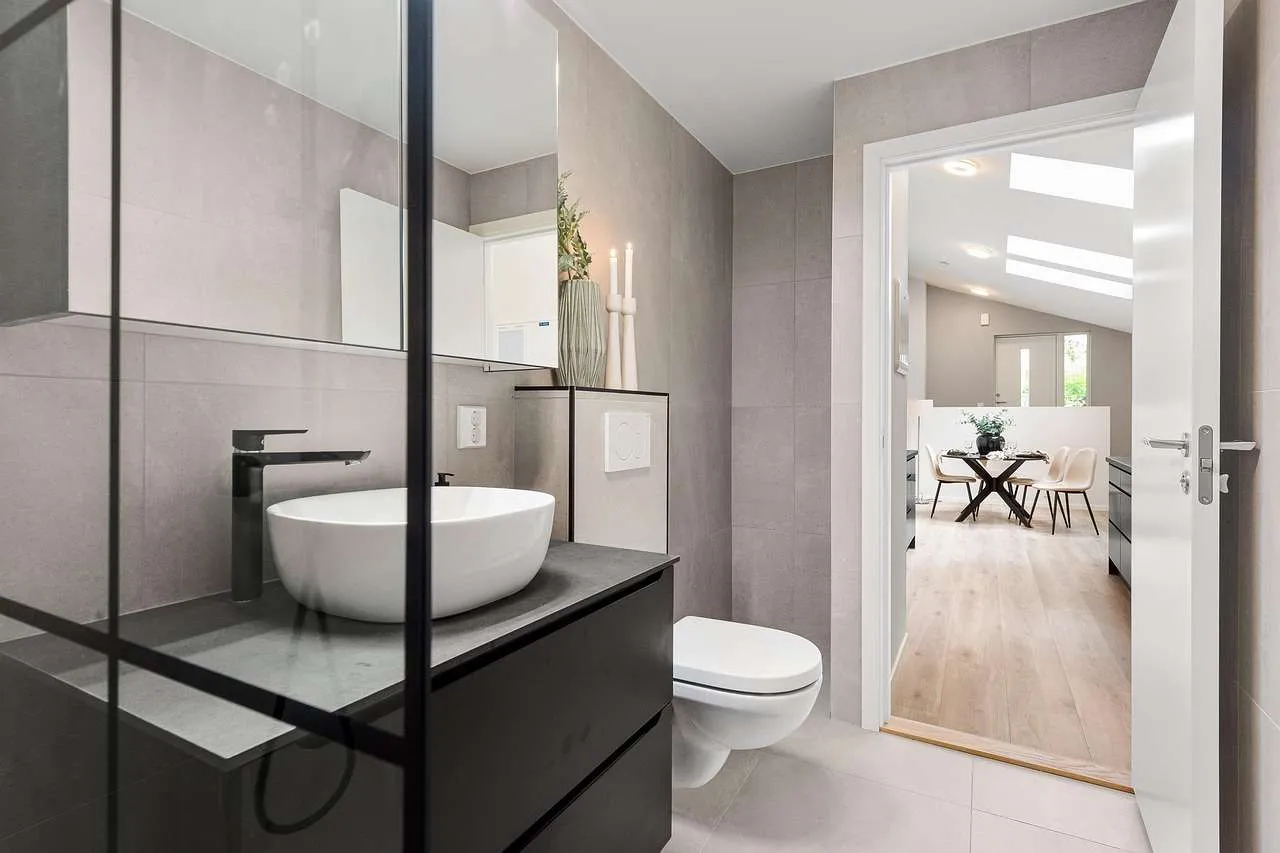
Porcelain is a dense, low porosity material that performs well in floors and walls, including wet rooms. Its water resistance and strength make it a favorite for modern, minimal projects. Porcelain tiles can mimic natural stone or look like solid, uniform surfaces, providing a high end appearance with lower maintenance.
Natural stone tiles
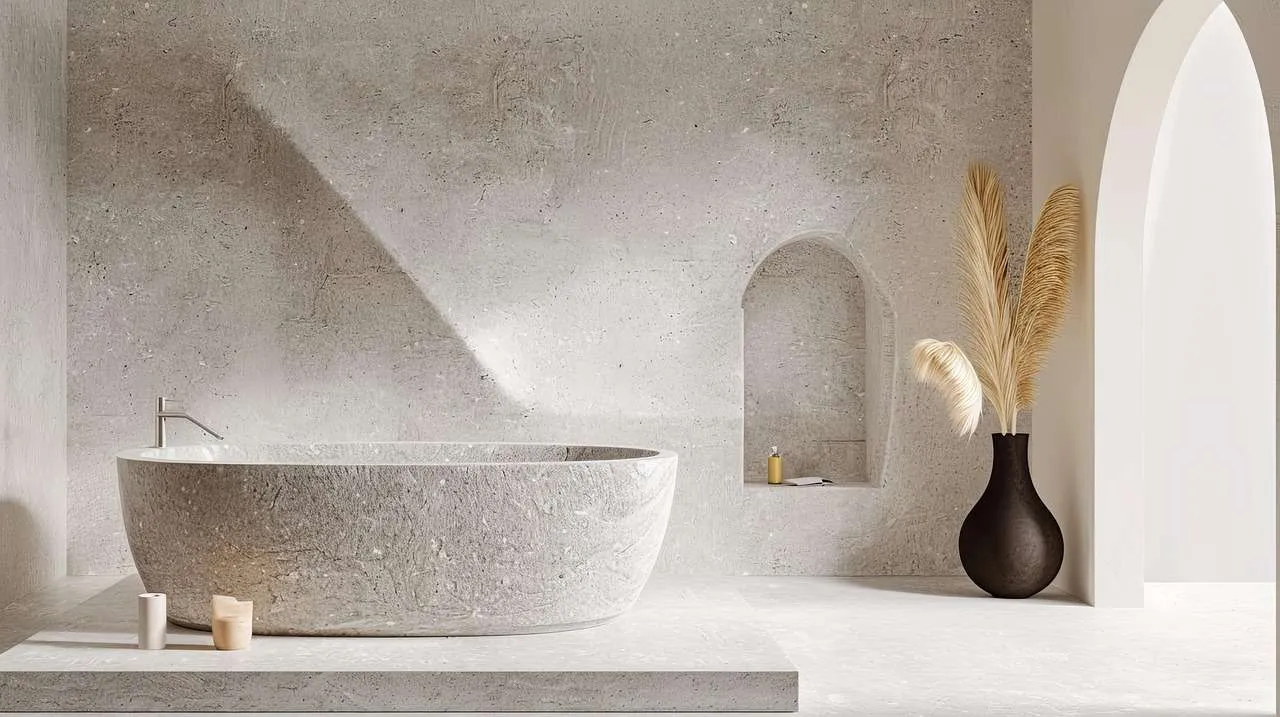
Natural stone such as marble, travertine, or slate brings unique veining and textures. Stone offers a premium, timeless look but requires regular sealing and careful maintenance to prevent staining from moisture and soaps. For showers and floors, select stone with a honed or matte finish to improve slip resistance.
Glass and mosaic tiles
Glass tiles introduce light reflection and the perception of more space, especially in small bathrooms. They pair well with stone or solid color fields. Mosaic tiles, often made from glass or ceramic, enable intricate patterns and niches. Keep in mind that some glass tiles can show water spots, so wipe down surfaces for best long term appearance.
Size, pattern, and layout considerations
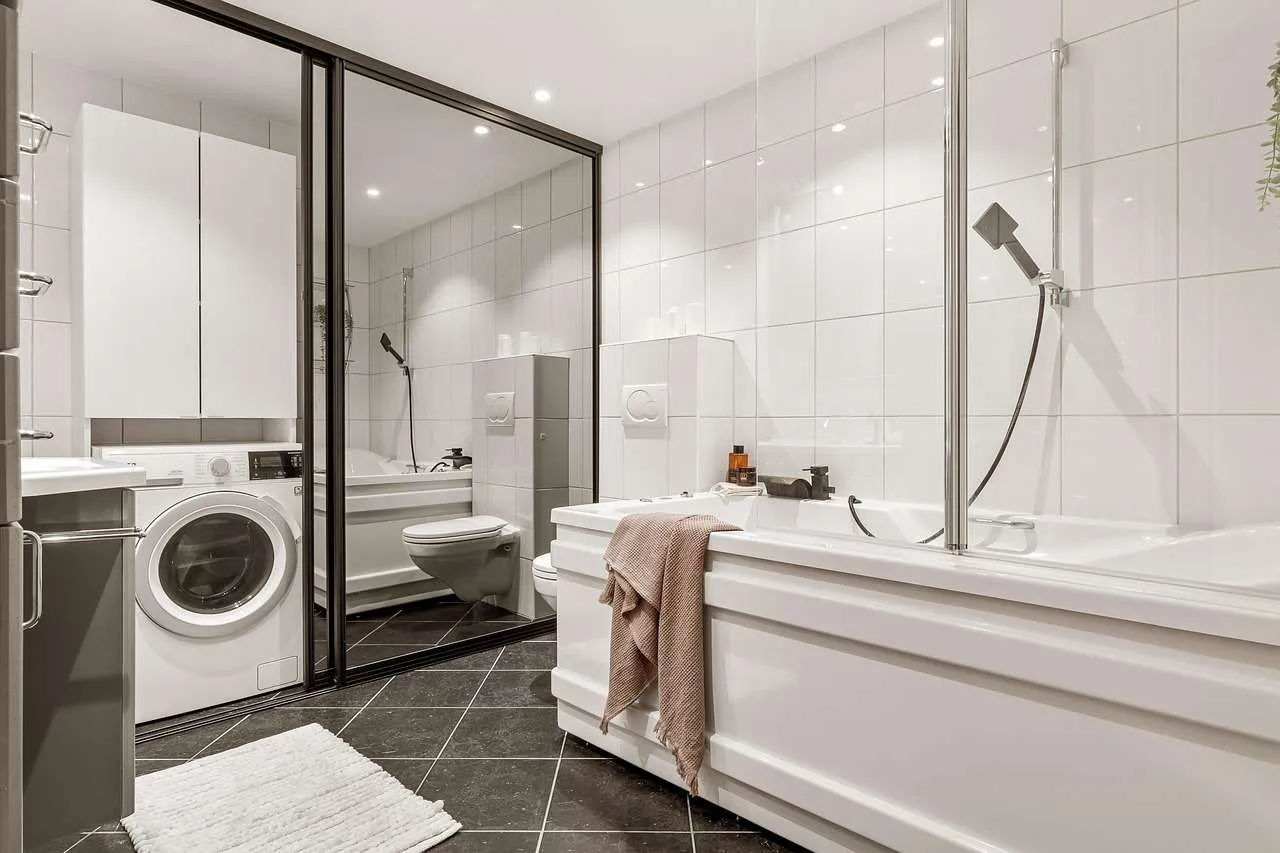
Tile size shapes the feel and maintenance of a bathroom. Large format tiles reduce grout lines and can make small bathrooms feel bigger, while small patterns like subway or mosaic tiles create a classic or contemporary vibe. Consider patterns such as the offset brick layout, herringbone, or vertical stacks to alter perceived height. In wet areas, it is common to use full height wall tiles and coordinated floor tiles for a cohesive look. For safety, choose textures with a slip resistant rating for floors, especially in showers and tub decks.
Installation tips and common mistakes
Proper surface prep is critical. Start with a clean, flat substrate and address any moisture issues before tiling. Waterproof membranes or waterproof coatings beneath wet areas prevent signature leaks. Use the correct thinset mortar for the tile type and consider a polymer modified mortar for better adhesion. Plan for a consistent grout line width and select grout colors that either blend or highlight the tile. Sealing is important for natural stone and some porcelains; follow the manufacturer guidance for sealing frequency. When in doubt, hire a licensed installer with experience in tile work and water management to ensure long term performance.
Maintenance and care
Maintenance varies by material. Ceramic and porcelain are generally low maintenance and respond well to regular cleaning with mild cleaners. Natural stone requires periodic sealing and prompt cleanup of spills to avoid staining. Glass tiles demand more frequent wiping to remove water marks. A simple routine of dry wiping, weekly mopping with a non abrasive cleaner, and periodic deep cleaning will keep tiles looking new. Inspect grout regularly and regrout as needed to prevent water intrusion and mold growth.
Costs, durability, and longevity
Costs vary by material, size, and installation complexity. Ceramic tiles are usually the most budget friendly, followed by porcelain. Natural stone tends to be the most premium and requires extra care. Glass and mosaic tiles may add design interest but can increase installation time. For a durable bathroom, prioritize moisture resistance, slip resistance for floors, and proper sealing for natural stone. With proper maintenance and quality installation, tile surfaces can last decades, reinforcing both value and aesthetics in a bathroom renovation.
Comparison of tile types
| Tile Type | Best For | Pros | Cons | Typical Cost Range |
|---|---|---|---|---|
| Ceramic | Walls and light to moderate floors | Affordable, wide color range, easy to cut | Less durable on heavy traffic floors | Low |
| Porcelain | Floors and wet areas | Strong, water resistant, low maintenance | Can be harder to cut, higher cost | Moderate to high |
| Natural Stone | Premium baths and feature walls | Unique patterns, high end look | Requires sealing, more maintenance | High |
| Glass | Showers and backsplashes to enhance light | Reflects light, modern appeal | Show water spots, fragile edges | Moderate |
| Mosaic | Small spaces and decorative accents | Creative patterns, versatile | Higher grout maintenance, slower install | Moderate |
Expert tips for choosing and installing bathroom tiles
To align with EEAT standards, seek guidance from qualified professionals. Look for licensed installers with portfolio case studies, verify warranties, and request written estimates with material specs. When selecting tiles, request samples for color and finish under bathroom lighting. Check for slip resistance ratings on floors, and confirm that tiles meet local building codes for wet areas. For sustainability minded projects, ask about low emission adhesives, recycled content tiles, and long lasting surface options that reduce the need for frequent replacements. Reading reviews and verifying brand reputations helps ensure trust and reliability in your purchase decisions.
Conclusion
Conclusion, bathroom tiles offer a blend of style, durability, and function. By understanding materials, patterns, installation requirements, and care needs, you can choose a solution that fits your space and budget. A thoughtful approach, supported by expert installation and regular maintenance, yields a bathroom that remains beautiful and resilient for years to come.