EPDM roofing is a durable, economical solution for flat and low-slope roofs. Made from ethylene propylene diene monomer, this rubber membrane offers flexibility, weather resistance, and easy field repair. In this guide, we cover what EPDM roofing is, its advantages, installation methods, and how to maintain it to maximize lifespan.
What is EPDM Roofing?
EPDM roofing uses a single-ply rubber membrane that can be installed in large sheets. The material is known for its elasticity, UV resistance, and suitability for commercial and residential flat roofs. Two common forms are black EPDM and white or light-colored reinforced membranes that help reflect solar heat in warmer climates.
Key Benefits of EPDM Roofing
- Durability and lifespan often 30 to 50 years with proper maintenance.
- Excellent waterproofing and ozone resistance.
- Flexible at extreme temperatures, reducing crack risk.
- Cost-effective compared with many other flat roof systems.
- Low maintenance when installed correctly.
Installation Methods and Materials
EPDM can be installed using several methods depending on roof type, budget, and climate.
Fully Adhered
In the fully adhered method, the membrane is glued to a prepared substrate, creating a seamless surface and strong wind resistance.
Mechanically Attached
In the mechanically attached method, fasteners and plates secure the membrane to the deck, allowing for easier replacement of sections if needed.
Durability and Weather Resistance
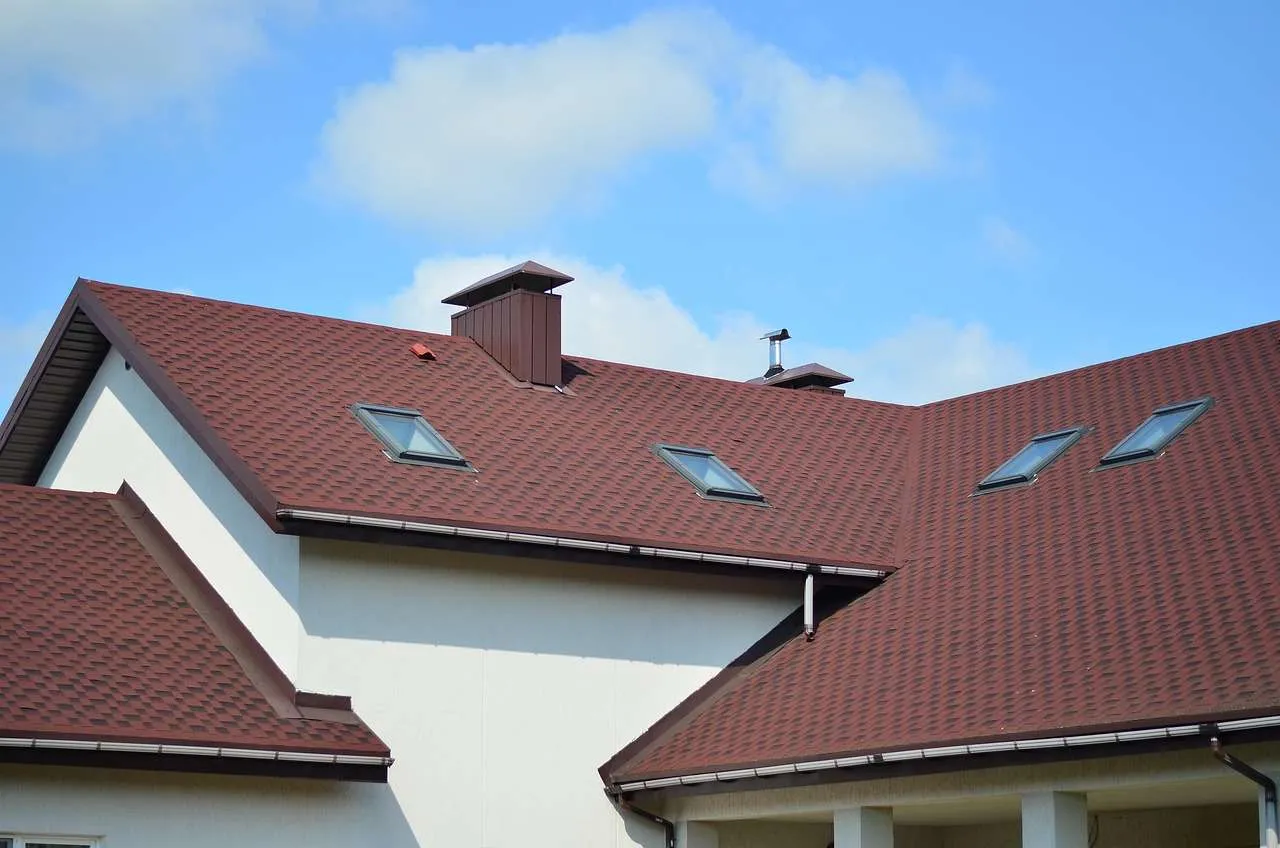
EPDM performs well in a wide range of climates. The black version absorbs heat, which can help insulation in colder areas, while white EPDM offers solar reflectivity in hot climates. Proper edge detailing, flashing, and penetration sealing are critical to prevent leaks around edges, vents, and skylights.
Maintenance and Repairs
Routine inspections after major weather events, cleaning debris, and checking seals are recommended. Small punctures or seam issues can often be repaired quickly with compatible patch materials. If you notice blistering, pooling water, or extensive membrane lift, contact a qualified roofer for assessment and potential reseaming or replacement.
EPDM Roofing vs Alternatives
When choosing a flat roof membrane, compare EPDM with other popular options such as TPO and PVC. The table below highlights typical differences.
| Property | EPDM | TPO | PVC |
|---|---|---|---|
| Material | Rubber | Thermoplastic | Thermoplastic |
| Durability | Very durable with long lifespan | Good | Very durable |
| Lifespan | 30–50 years | 15–25 years | 20–30 years |
| Reflectivity | Low unless white variants are used | High | High |
| Cost | Moderate | Low to moderate | Higher |
| Installation | Flexible, simple seams | Less heat resistant | Good chemical resistance |
Cost, Warranties, and Contractor Selection
EPDM roofing is typically more affordable than PVC while offering similar longevity. Installed costs vary by roof size, substrate, and labor rates but expect a per square foot range that contractors may quote per project. Look for warranties that cover membrane, seams, and flashing for 10 to 20 years. Choose a contractor with demonstrated experience, manufacturer certification, and references from similar projects. A licensed, insured roofer with NRCA or manufacturer endorsements provides greater assurance.
Maintenance Schedule and Professional Inspections
Schedule annual inspections and a post-storm check. Clean gutters, ensure drainage paths are clear, and address any ponding issues promptly. Patch kits for small punctures can be used temporarily, but large repairs should involve a professional to maintain warranty eligibility.
Conclusion, Key Takeaways
EPDM roofing offers durable waterproofing, cost efficiency, and energy performance for flat roofs when installed correctly and maintained over time. It remains a versatile solution for various climates and building types, especially when paired with proper detailing and timely professional maintenance.
Conclusion, EPDM roofing offers durability, cost-effectiveness, and energy efficiency for flat roofs when properly installed and maintained; choose qualified installers and schedule routine inspections to maximize lifespan.