Repair of roofing is a critical home maintenance task that protects your house from water intrusion, mold, and structural damage. A small leak or damaged flashing, if left unchecked, can escalate quickly, leading to costly repairs. This article provides practical guidance on how to identify problems, decide between DIY work and hiring a professional, understand typical costs, and follow a safe, EEAT-compliant approach to roofing repair.
When Does Repair of Roofing Become Necessary?
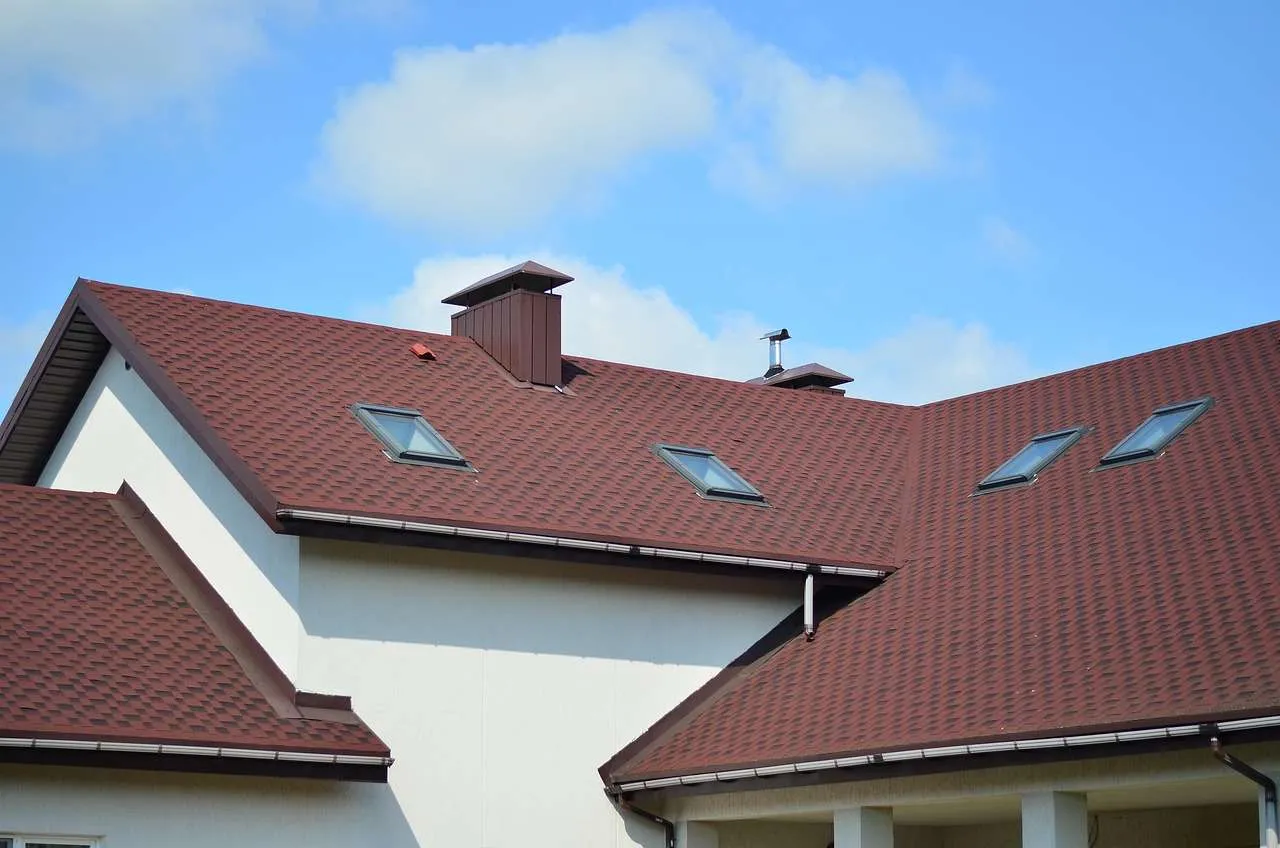
Common signs of roof trouble include missing shingles, curling edges, granule loss, leaks in the attic, and daylight visible from the attic ceiling. Damaged flashing around chimneys, skylights, or vents can also admit water. If you notice stains on ceilings, damp insulation, or musty odors after rain, it's time to inspect.
DIY vs Professional Roof Repair: Weighing the Risks
DIY can be suitable for minor issues and certain materials, but safety concerns and code requirements push most repairs toward professionals. Working on a roof at height carries fall risks; improper repairs can void warranties and fail to stop leaks. Licensed roofers bring knowledge of flashing installations, ventilation, and building codes, and can offer warranties on workmanship.
Safe DIY Repairs You Can Do
Minor tasks like replacing a few damaged shingles, resealing flashing with roof-approved sealant, or clearing gullies may be manageable with proper equipment (sturdy ladder, fall protection, and PPE). Always avoid working on a wet or icy roof and never walk on steep pitches without a harness.
When to Call a Licensed Roofer
Extensive leaks, sagging sections, damaged structural decking, or uncertainties about roof type and attic ventilation require professional diagnosis. A licensed contractor can perform a thorough inspection, provide an itemized repair plan, and ensure warranties and insurance are in place.
Common Roofing Repairs and Methods
Understanding typical repairs helps homeowners plan and communicate with contractors. Common tasks include:
- Shingle replacement: replacing damaged or missing asphalt shingles to restore surface integrity.
- Flashing repair: sealing or replacing metal flashing where skylights, chimneys, or vents meet the roof line.
- Leak sealing: applying sealant or replacing underlayment to stop interior leaks.
- Vent boot and ridge cap repairs: replacing worn vent boots and damaged ridge caps for proper venting and water shedding.
- Ice dam prevention: addressing insulation and ventilation to prevent ice dams in cold climates.
Materials and Tools
Common tools include a pry bar, roofing nails, roofing cement or sealant, replacement shingles, underlayment, and safety gear. The materials depend on roof type (asphalt, metal, tile, or slate). Professionals select corrosion-resistant flashing and compatible sealants to extend longevity.
Costs, Warranty, and Timeframe
Repair costs vary by roof type, extent of damage, and regional labor rates. Minor shingle replacement may range from 150 to 350 per window/section, while flashing repair or underlayment replacement could run 300 to 1200. In more complex roofs or extensive damage, costs rise, but a properly completed repair can extend roof life by several years. Many reputable roofers offer a workmanship warranty of 5 to 10 years, in addition to manufacturer warranties on products.
Step-by-Step Repair Process (For Pro Roofers)
When a pro handles repair of roofing, the typical sequence is:
- Initial inspection and mapping of damage.
- Careful removal of damaged materials and preparation of a clean seam or patch.
- Installation of new underlayment, flashing, and replacement shingles or metal panels.
- Water test and final inspection to ensure water-tightness and proper ventilation.
- Documentation and warranty issuance to the homeowner.
Maintenance Tips to Prolong Roof Life
Routine maintenance reduces emergency repairs. Clean gutters, trim overhanging branches, inspect for damage after storms, and schedule annual roof inspections. Address minor issues promptly to avoid escalation, and ensure attic insulation and ventilation are balanced to reduce heat-related wear.
Comparison: DIY vs Professional Roof Repair
| Aspect | DIY | Professional Roof Repair |
|---|---|---|
| Approach | Hands-on minor fixes, safety risks | Comprehensive diagnosis, lasting repairs |
| Pros | Lower upfront cost, learning opportunity | Warranty, code compliance, safety |
| Cons | Limited durability, potential mistakes | Higher cost, scheduling |
| Typical Cost | 100–500 for small patches | 500–5000 depending on scope |
| Timeframe | Same day to few days | Several days for complex work |
Conclusion, a balanced approach often serves homeowners best: address small issues promptly with DIY fixes if safe, but rely on licensed professionals for significant leaks, flashing failures, or roof structure concerns to protect the home and ensure durable results.