Understanding Roofing and Roof Repairs
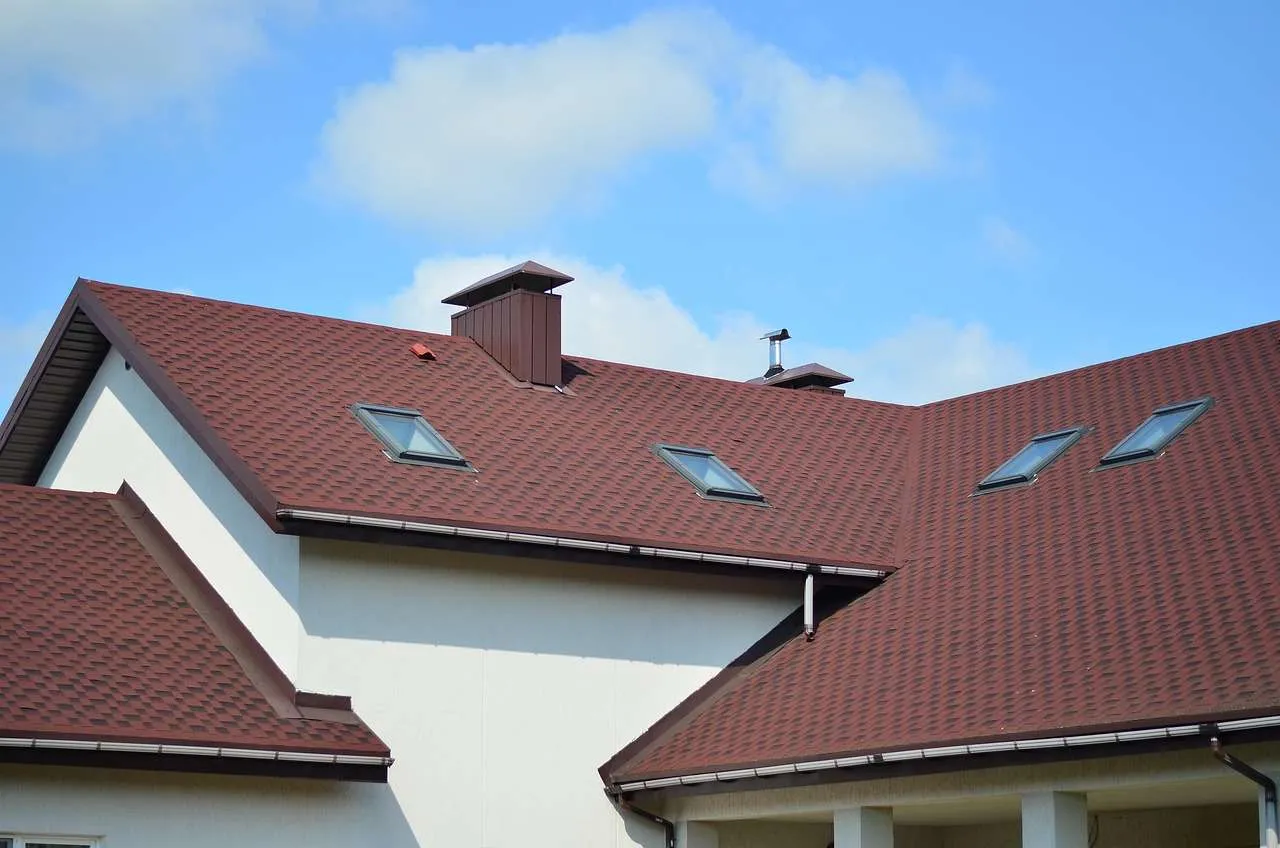
Roofing describes the system of materials and components that protect a building from weather, including shingles, underlayment, flashing, and ventilation. Roof repairs are targeted fixes that restore function, prevent leaks, and extend the roof life. A well maintained roof relies on proper installation, quality materials, and timely maintenance to resist wind, rain, and temperature changes.
Common Signs That Your Roof Needs Repairs
- Missing or curling shingles and visible granules in gutters
- Leaks inside the attic or ceiling after rain
- Water stains or mold growth on ceiling surfaces
- Sagging or warped sections and damaged flashing around chimneys or vents
- Ice dam buildup during cold seasons
Repair Options and When to Choose Them
Repair options vary by extent of damage, age of the roof, and existing decking. Localized fixes are usually more economical, while widespread damage or an aging roof may warrant replacement. Understanding the options helps you make an informed decision with the help of a licensed professional.
Localized Patching and Flashing Work
For small leaks caused by damaged flashing or worn sealant, a patch plus replacement of affected flashing sections can stop leaks quickly without a full roof job.
Decking Repairs and Ventilation
If the roof deck shows water staining or rot, repairing or replacing decking is essential before applying new shingles. Adequate ventilation reduces condensation and extends roof life.
When to Consider Replacement
If the roof is near the end of its expected life, has widespread damage, or extensive decking problems, replacement may offer better long term value and energy efficiency.
DIY vs Professional Roofing Repairs
Homeowners can handle simple tasks such as clearing gutters and removing debris from the roof edge. However, most roofing tasks involve height, roof integrity risks, and specialized tools. Professional repairs ensure proper flashing installation, correct shingle alignment, warranty compliance, and worker safety on a slope or high surface.
Hiring a Professional Roofer: EEAT Considerations
To meet the EEAT standards of expertise, authority, and trust, choose a contractor with local licensing, comprehensive insurance, and demonstrable experience. Request written estimates, check past project references, and review warranty terms. Ask about material options, timeline, and cleanup practices, and confirm that the work complies with local building codes.
Cost Considerations and Maintenance
Costs vary by climate, roof size, material, and labor. Typical ranges include minor leak repair and patching, shingle replacement per square foot, and full roof replacement. Regular maintenance, such as annual inspections and prompt repairs after storms, helps avoid costly damage and extends roof life.
- Minor leak repair or patch: moderate costs, quick fix
- Shingle repairs or replacements: location dependent
- Full roof replacement: longer term investment with longer warranty
Comparison: Roof Repair vs Roof Replacement
| Option | When to Choose | Typical Cost | Lifespan After Service |
|---|---|---|---|
| Roof Repair | Localized damage, minor leaks, extending current roof life | 150-1200 | 5-15 years |
| Roof Replacement | Extensive damage, aging roof, or poor decking | 5000-15000 | 20-50 years |
Maintenance Tips to Extend Roof Life
- Schedule annual inspections, especially after severe weather
- Keep gutters clean and free of debris to prevent water buildup
- Trim tree branches that overhang the roof to reduce impact and debris
- Ensure attic insulation and ventilation are adequate to prevent condensation
Conclusion, Regular maintenance and timely repairs protect your investment. By recognizing signs early, choosing the right repair or replacement option, and hiring a qualified roofer, you can ensure roof performance and longevity for years to come.