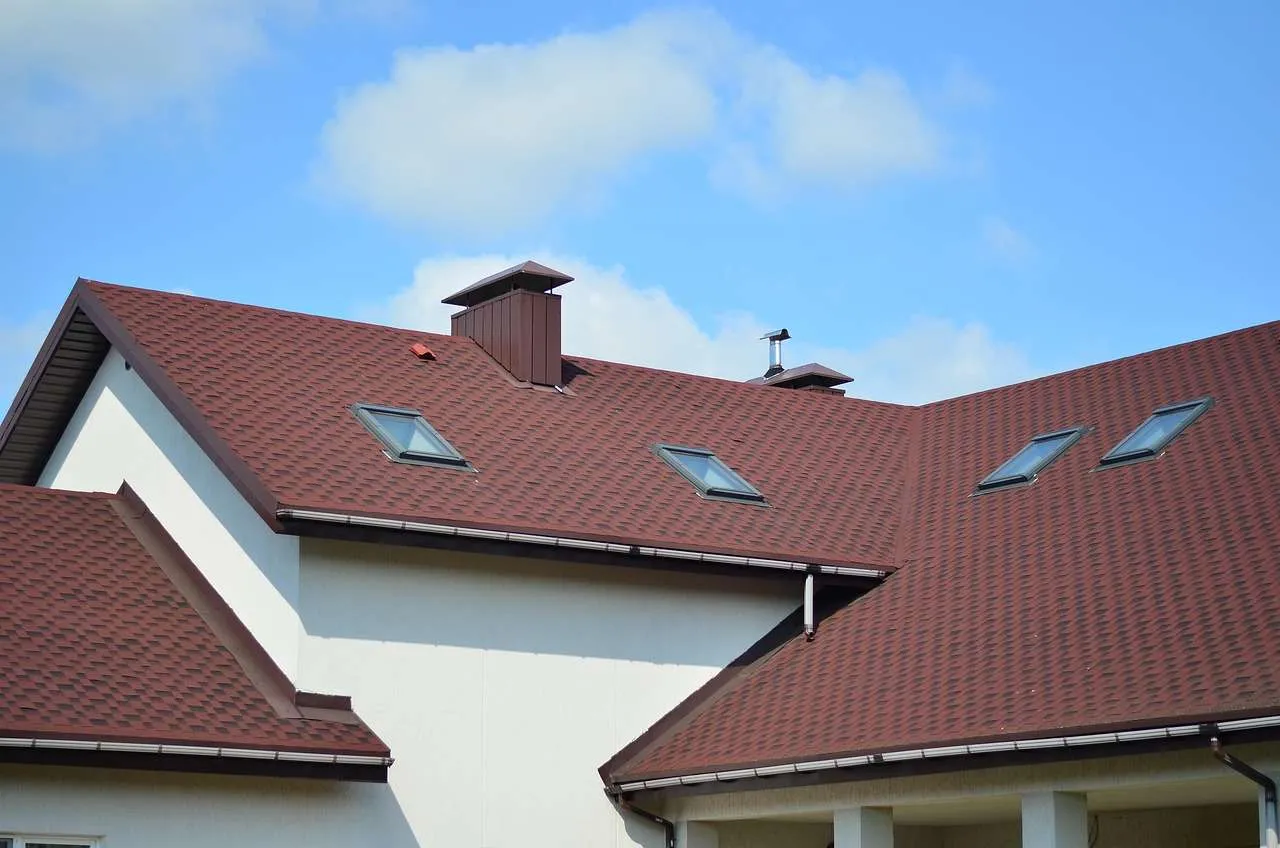
Metal roofing panels have become a top choice for homes and commercial buildings due to durability, weather resistance, and aesthetics. This guide explains what metal roofing panels are, the main types, benefits, installation considerations, and how to choose a supplier that meets EEAT standards.
What are metal roofing panels?
Metal roofing panels are made from steel, aluminum, copper, or zinc and coated for corrosion resistance. Common coatings include galvanization and galvalume, with color finishes that can meet PVDF or polyester standards. The panel profile and fastening method influence performance, leaks, and maintenance. Standing seam panels use concealed fasteners and interlocking seams for a cleaner look and weather resistance, while exposed fasteners are typical of other panel styles.
Types of metal roofing panels
Standing seam panels
Standing seam panels feature concealed fasteners and integral flanges that lock along the length of the roof. They excel in high wind zones, offer a modern look, and support longer spans with minimal penetrations. Proper installation by a trained contractor is essential to realize their water-tight performance and wind uplift resistance.
Corrugated metal panels
Corrugated panels have a ribbed profile with exposed fasteners. They are economical, lightweight, and quick to install, making them popular for barns, sheds, and some residential applications. Over time, fastener seals may require inspection and replacement to maintain water tightness.
Other common panel types
R panels and 5V panels provide versatility and aesthetics for different building styles. R panels are widely used in warehouses and light commercial projects; 5V panels offer a traditional decorative profile for homes and small commercial spaces. Aluminum and stainless options enhance corrosion resistance in coastal or industrial environments.
Benefits and durability
- Long lifespan: typical 40–70 years depending on material, coating, and climate
- Excellent weather resistance: strong wind performance and hail resistance; many installations earn Class A fire ratings
- Low maintenance: infrequent painting and minor sealant checks during routine inspections
- Energy efficiency: reflective coatings reduce cooling loads, especially in hot climates
- Environmental sustainability: highly recyclable and often lighter than traditional roofing materials
Installation considerations
Implementation should be performed by a licensed roofing contractor with metal roof experience. Verify substrate integrity, proper underlayment, and appropriate fasteners for the panel and climate. Material gauges typical for steel are in the 26–29 range; aluminum is lighter with different thickness options. A concealed fastener system provides a clean look but demands precise fastening and alignment to prevent leaks. Good ventilation and proper attic or roof deck preparation are essential for long-term performance.
Maintenance and warranties
Metal roofs require less maintenance than asphalt shingles, but periodic checks are important. Schedule yearly inspections to tighten loose fasteners, inspect seals, and look for coating wear. Reputable manufacturers offer warranties that can cover finish integrity, perforation, and overall panel performance for 30–50 years, depending on the product and climate. Keep documentation of installation and service to protect warranty eligibility.
Cost considerations
Price varies by material, profile, and labor. Material costs for metal panels typically range from 3 to 8 per square foot, with installation adding to total cost. Standing seam systems generally cost more than corrugated panels due to their concealed fasteners and structural requirements, but long-term savings from durability and reduced maintenance can offset the higher upfront investment.
Energy efficiency and sustainability
Metal roofing panels reflect infrared radiation, lowering heat gain in summer. Cool roof coatings and light color choices enhance energy performance. The lifecycle is favorable for sustainability, as metal roofs are highly recyclable at end of life and require less frequent replacement than many other roofing options.
Choosing a supplier and warranty
Choose manufacturers with established track records, third party testing, and certifications such as ASTM standards for metals and coatings. Look for UL fire and wind resistance ratings and FM approvals where applicable. Request references, compare warranty details, and ensure your contractor is trained in metal roofing systems for proper installation and long-term performance.
Comparison of common metal panel types
| Panel Type | Pros | Cons | Typical Applications | Lifespan |
|---|---|---|---|---|
| Standing seam | concealed fasteners, high wind resistance, long life | higher cost, requires precise installation | residential steep and commercial roofs | 40–70 years |
| Corrugated | affordable, quick install, versatile | exposed fasteners may require more maintenance | barns, sheds, light commercial | 40–60 years |
| R panel | versatile, cost-effective, easy to install | visible fasteners on some profiles | warehouses, retail, industrial | 40–60 years |
| 5V panel | decorative pattern, good for traditional look | mid-range cost, exposed fasteners | residential and small commercial | 40–60 years |
Choosing the right metal roofing panel involves assessing climate, roof slope, wind uplift, and aesthetic preferences. Engage professionals who can provide a written specification, installation schedule, and warranty terms. A well-chosen panel system protects the structure, enhances curb appeal, and delivers long-term value.
Conclusion, metal roofing panels offer durable performance with energy-saving benefits when paired with proper installation, maintenance, and quality warranties. By understanding panel types, installation needs, and long-term costs, you can select the best solution for your project.